This week’s 52 Ancestors prompt of ‘Earning a Living’, could really be about any ancestor in the family tree because at the end of the day, every family had at least one person in the house who had to earn a living to put a roof over the family’s head and food on the table. If you have read my recent posts this year, you’ll know that I have extremely deep roots in Newfoundland, Canada on my dad’s side of the family tree and very shallow Newfoundland roots on my mother’s side. If I were a physical tree in this province with lopsided roots like that, I’d have been blown off a cliff by now. Luckily, the shallow rooted side of the tree is girded in cable wire that runs deep under the ocean, tying my tree firmly back to Ireland once again. And those same cable wires, provided my ancestors on that side of the family with 100+ years of earnings. This week, I’m going to write about the profession of telegrapher and how it not only changed the way the world communicated but also changed the life trajectory for three generations of my Mackey family.
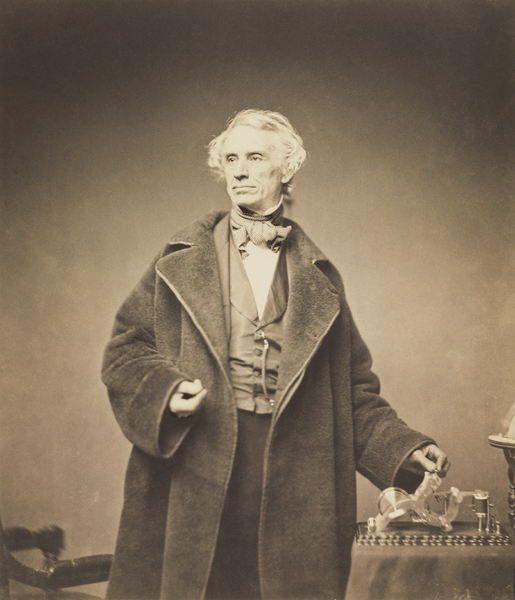
Today, with most people carrying a mobile phone around in their pocket, that allows them to communicate with anybody in the world whenever they like, it’s hard to fathom that at one time, communicating with someone beyond the borders of your own town meant letter writing. If you wanted to communicate with someone on the other side of the ocean well…that letter would take weeks to make the journey, and weeks more to get a response. (I’ll have an interesting post on the impact of letter writing delays later in the year.) Little did our family know that when Samuel F. B. Morse in 1844 famously said, in the first official telegraph message, “What hath God Wrought”, God would ‘wrought’ more than 100 years of work and income around the world for the Mackey family in the industry that Morse created.
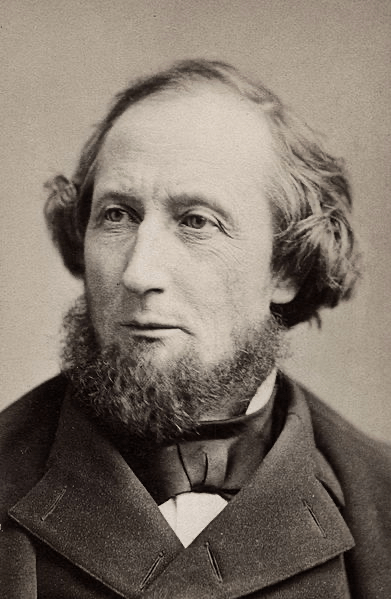
You can’t talk about telegraphy without mentioning Samuel Morse, who invented the first electrical telegraph and the morse code language that workers used to communicate. (Note: The telegraph was actually the first practical use of electricity, years before the light bulb. Imagine what we will eventually do with AI.) When it comes to the transatlantic telegraph cable that connected Europe and the US via an Ireland to Newfoundland link, you can’t have that discussion without mentioning a man named Cyrus Field, who was the mastermind and fund raiser for the venture. Endless reams of paper and books cover these two men’s lives and accomplishments. But just like any major venture or industry, the industrious work on a daily basis has to be done by everyday people. In the telegraph industry, one of those families was my Mackey ancestors.
The Pioneer – An Electrified Life & Career!
My great-great-grandfather, Robert Blenkinsop Mackey (1844-1917) —commonly referred to later in life as R. B. Mackey— was the telegraph pioneer in the family. He was born in South Shields, Durham, England, a ship-building town, to a Shipwright father named Robert Mackey (1810-1851) and his wife Elizabeth Lascells (1811-?), just 4 months after Morse sent the first successful telegraph message. By the time he was 6 years old, Robert’s father had passed away leaving his mother a widow with 7 children from ages 1 to 15. Young Robert would have to grow up fast. Even though there was a booming local mining and ship-building industry in South Shields —either he received guidance from his mother or older brothers to stay away from those industries or was simply enamoured by the opportunities of an exciting technology industry job— in the 1861 census of South Shields he was a 16 year old telegraph clerk. In fact, he was counted twice, once at home and once at work in nearby Monkwearmouth.
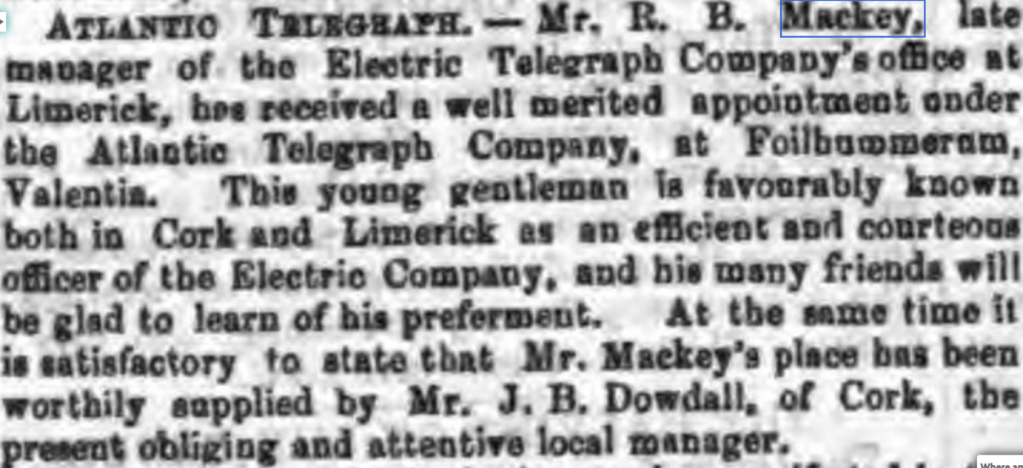
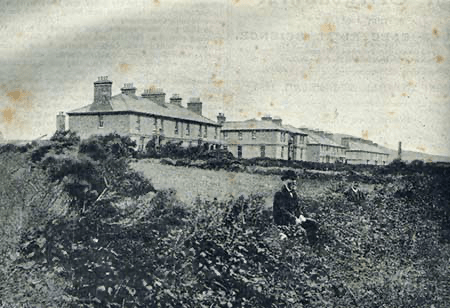
At some point between 1861 and 1866, Robert made his way to Ireland. Was it his desire to get away from home, were there more opportunities or growth in the Irish telegraph industry in the 1860s, we may never know? But on Aug 27, 1866 a Cork, Ireland newspaper had a story which stated Robert was already “manager of the Electric Telegraph Company’s office in Limerick and that he is favourably known in both Cork and Limerick as an efficient and courteous officer of the Electric Company and his many friends will be glad to learn of his preferment.” The story was announcing the hiring of my gg-grandfather by the Atlantic Telegraph Company on Valentia, Ireland as one of the first young employees to join the company. Exciting news, given the date of the newspaper story was exactly one month after the first successful Transatlantic Telegraph Cable landed in Heart’s Content from Valentia —a connection that would change the world forever.
I often wonder if Robert could ever have imagined that he would become, what Donard De Cogan’s book “They Talk Along the Deep” would call, a “Founder of a Valentia Dynasty” in the telegraph business.
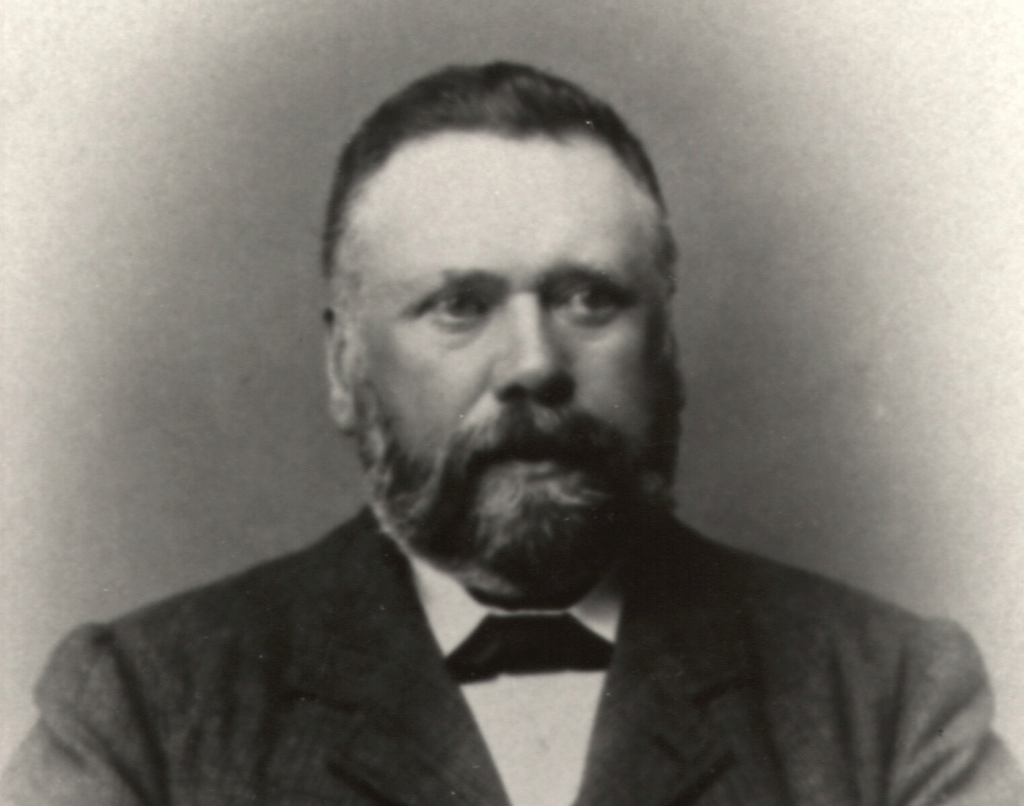
By all accounts, the early days of the telegraph business on Valentia were long hours with tough conditions. However, Robert found time to court and marry my gr-gr grandmother Catherine Letitia O’Donoghue (1848-1892). Together they would have 9 children, 5 boys and 4 girls. Catherine would die at the age of 44 leaving Robert with a full house of children from ages 7 to 23. Although his elder daughters would surely have helped take care of the young children, he realized they would likely be leaving home soon and he would need a mother figure for his children. Within two years, he married a young new bride —the same age as his eldest daughter— named Agnes Brosnan (1869-1949), a Veterinary Surgeon’s daughter from Tralee. With Agnes, Robert would have another 4 children, 3 boys and 1 girl. Of the 8 boys in the family, 7 joined the telegraph business — and 6 of those left Valentia to further their cable careers.
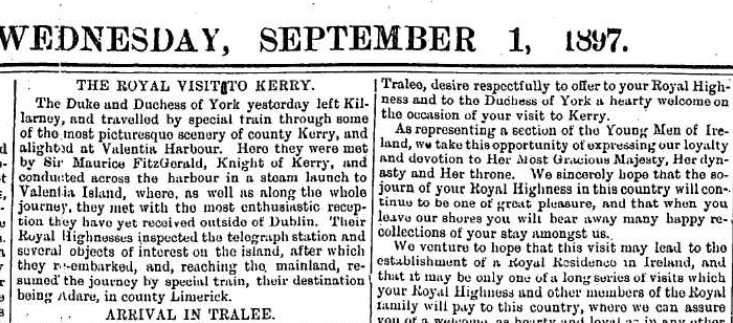
Robert worked for the company for 48 years, starting as a clerk and rising to Clerk-in-Charge before retiring on pension in 1914. R. B. Mackey did not leave any journals or diaries to provide his perspective on life as a “grapher” so we are left to family stories and the numerous mentions in his boss’s diary — James Graves, Superintendent in Valentia kept a robust diary all his life. From these journals we do know that “in 1897 the Duke and Duchess of York were visitors to the Valentia Station. They were later to become King George V and Queen Mary.” Robert was one of the party showing the royal couple around the station, along with James Graves and Mr. D O’Sullivan. [4] Obviously he was at a senior level in the organization to be asked to participate in such an important event.

Newspaper reports of those times also highlighted the athletic fun that telegraphers enjoyed during their off hours. One of those sports they enjoyed was cricket and it sounds like Robert could really drive the ball. “Mr T. O’Sullivan of the Anglo’s and Mr. Mackey of the Valentia sent balls where they might have been sought in vain if the corn were taller.”
Robert’s greatest contribution to the build-out and success of global communications in the 1900s however, was the size of his family and their pioneering willingness of his sons to leave the island of their birth to pursue opportunities for advancement in far off places.
Pioneer with a Passport
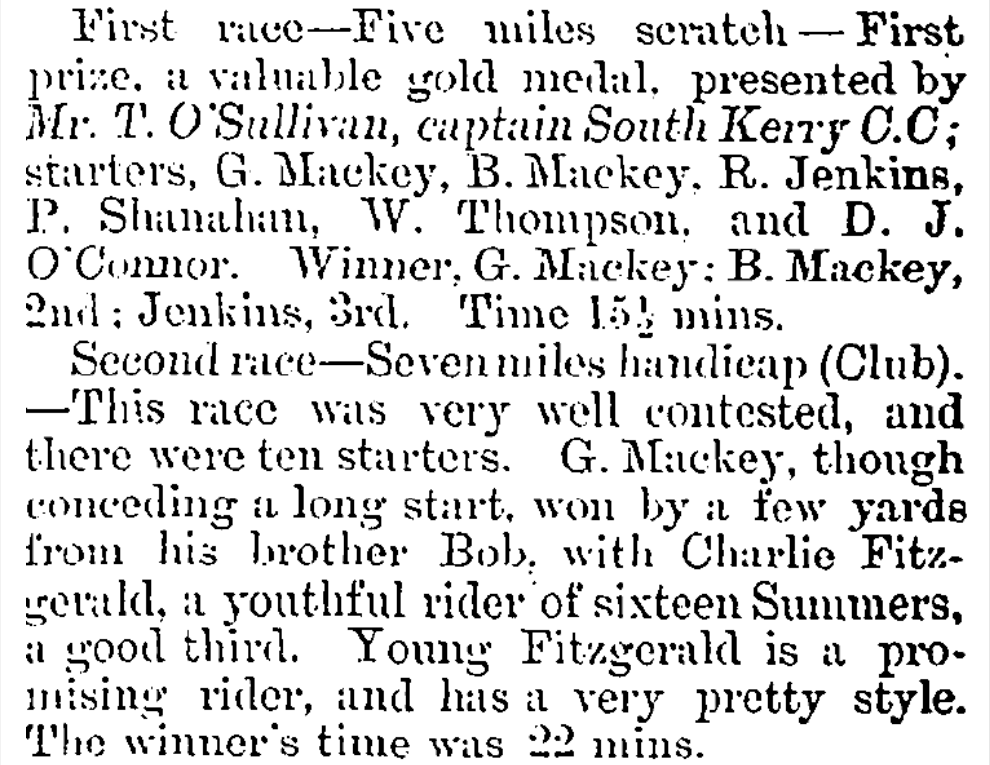
My great-grandfather Robert Augustus Mackey (1878-1924) was born on Valentia island, County Kerry, Ireland in 1878. Valentia is a beautiful part of Ireland with amazing scenery and just a stone’s throw from the now-famous Skellig Michael —a jagged outcropping of rock recently used in the Star Wars movies. County Kerry is also famous for its sporting life, an example of the coverage of a youth bicycle race is found in the 1896 newspaper clipping image where an 18 year old Bob Mackey was competing against his 21 year old brother George. If you don’t think those lads were competitive with each other, back to back 1st and 2nd places surely illustrates the type of family they were. Given where they lived and the world they grew up in, it was almost pre-destined that they would enter the telegraph world as well. Young Bob began training and working at the local telegraph station as a teenager.
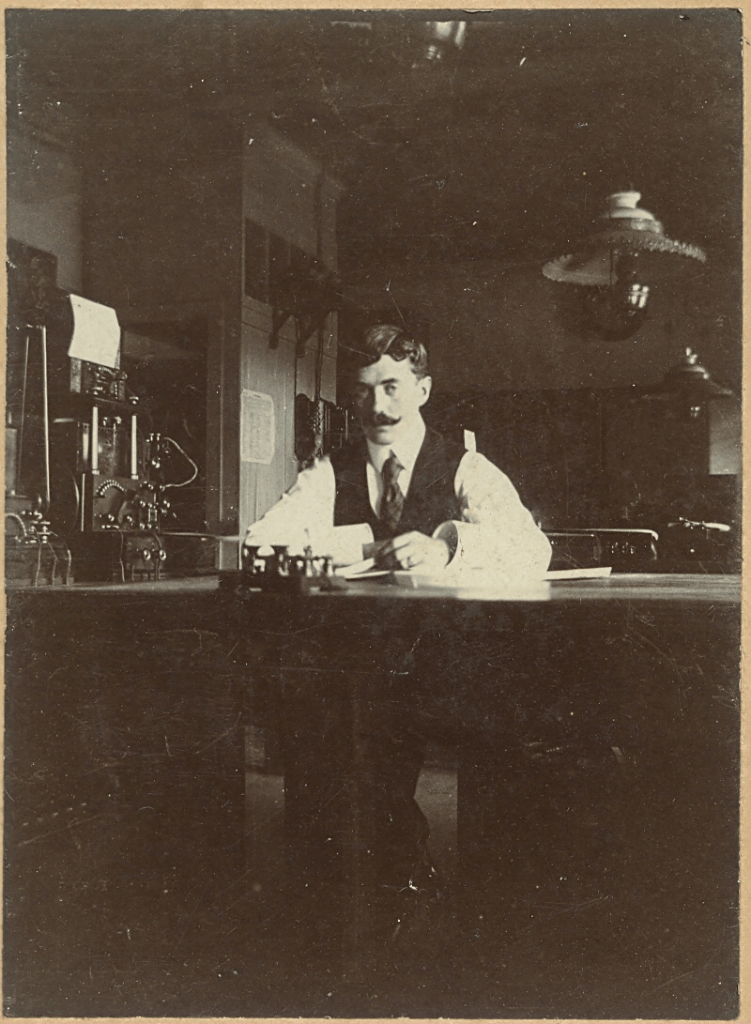
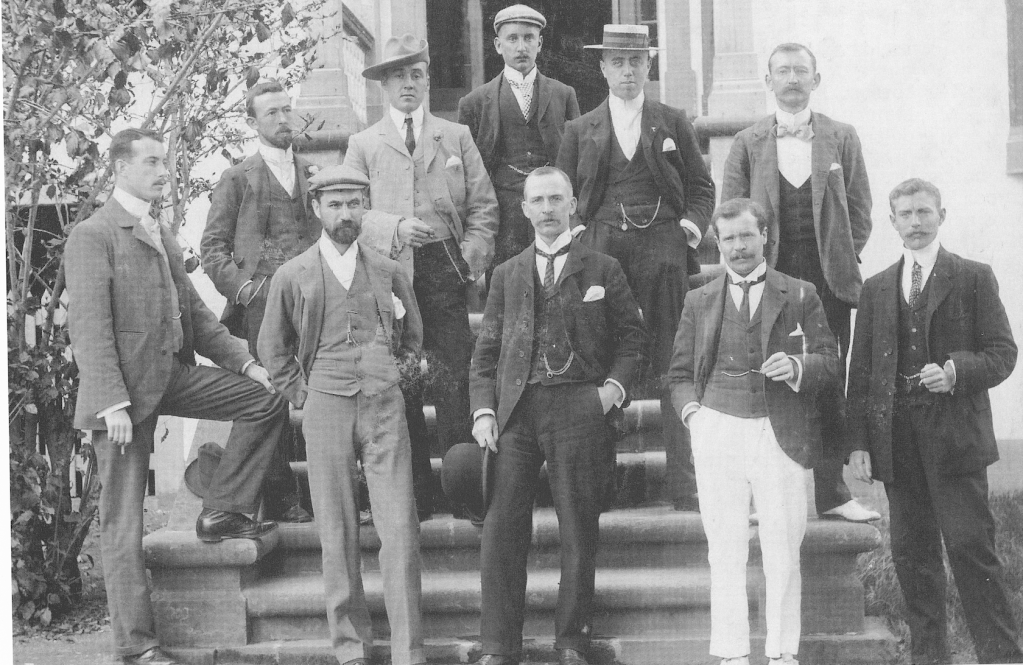
Around 1900 he left the island and was one of the first pioneering employees working for the Commercial Cable Company in Horta, Azores.
By 1903, Robert, his elder brother George and younger brother John were working for the German Atlantic Telegraph Company (DAT) in Horta, as the Germans began their expansion and connection into the global trans-atlantic cable lines.
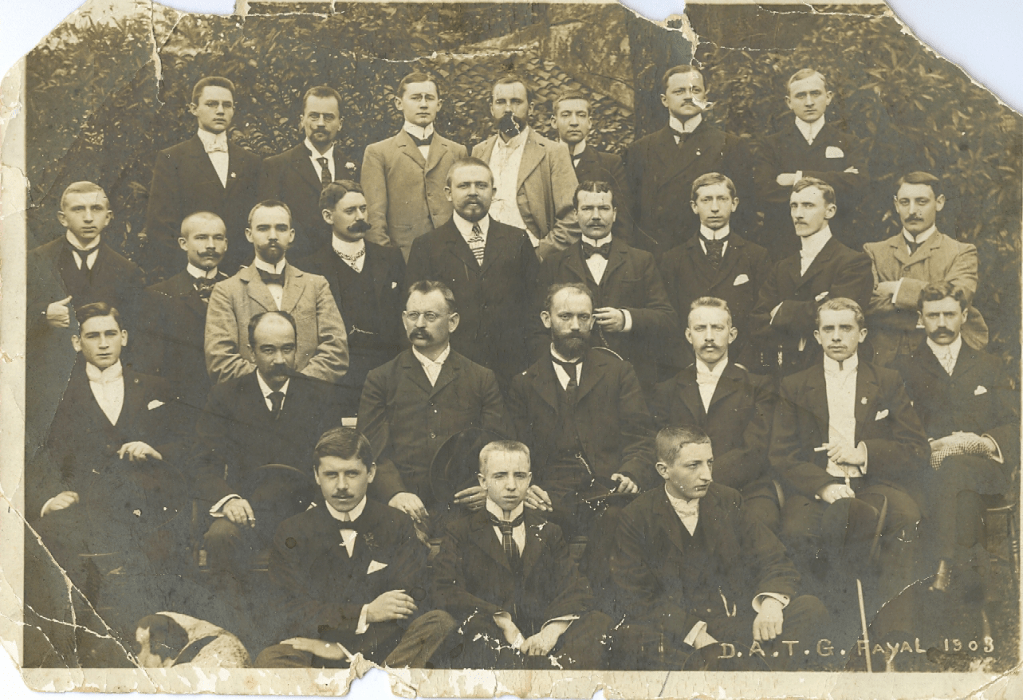
By all accounts the young men enjoyed their time in the Azores, continuing to develop and hone their valuable telegraphy skills. Having family and friends around definitely made it a much easier adjustment. Little did they know that the next generation would continue their legacy on this foreign soil.
Forks & Knives, Loin Cloths & Fairies
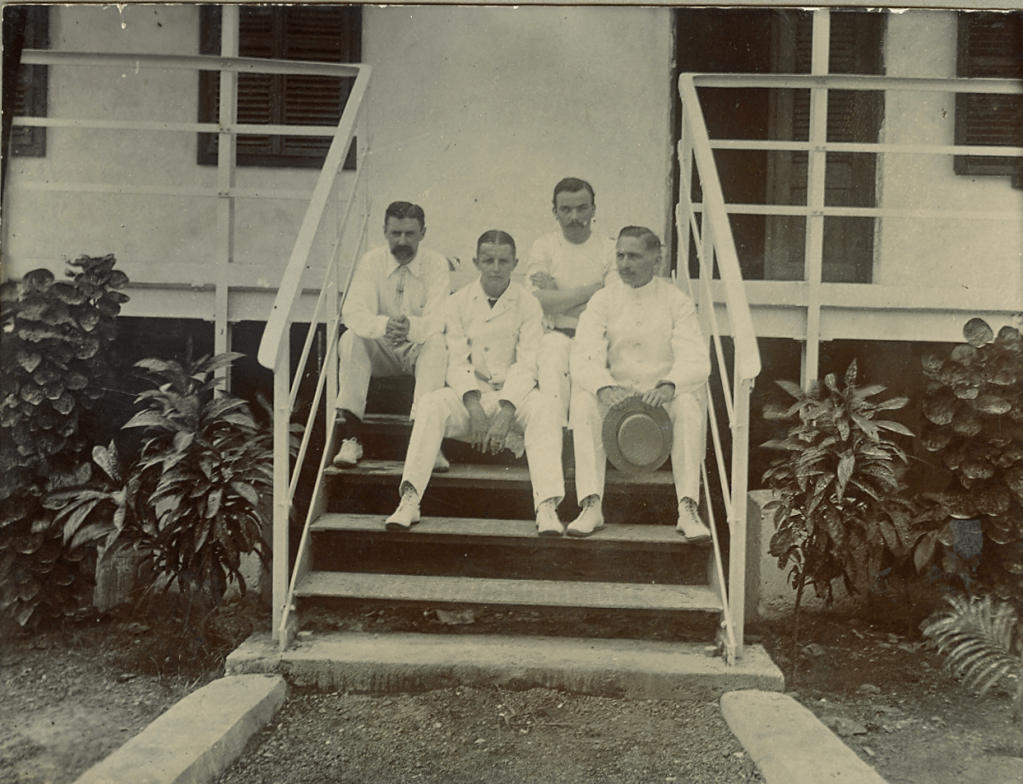
In 1904 Robert received a new assignment as manager responsible for opening up the German company’s new DAT station in Yap, part of the Caroline Islands Archipelago in the South Pacific. Robert and his new Maltese wife Teresa Gatt (widow of best friend William Hogger), whom he met while working in the Azores, left Ireland after their wedding and picked up their two children (from Teresa’s first marriage) on the way. Yap was the start of Germany’s Pacific expansion efforts to join the German colonies in the area.
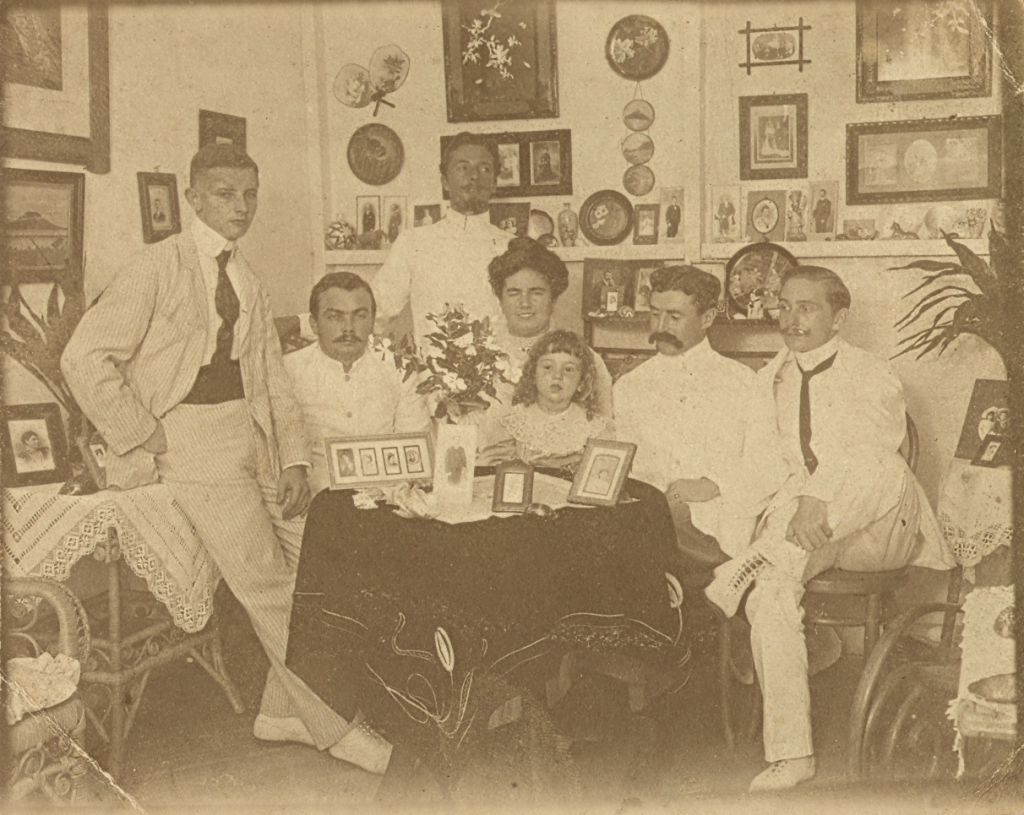
In 1906, while my great-grandparents were living in Yap — a remote island in the middle of the south pacific ocean where local inhabitants still dressed in loin cloths— my great-grandmother Teresa gave birth to my grandfather Robert Alfred Mackey (1906-1986). My great-grandparents famously taught locals how to use forks and knives. As you can see in the picture, my grandfather, with his parents and other telegraphers, has long hair and is dressed in girl’s clothing. Apparently Irish tradition in those times was that young boys could be taken by the fairies so they disguised them as girls. Who wants to buck myths, even if you were in a place where Irish fairies probably wouldn’t find you.
Welcome to New York
In 1910 when my grandfather was only 4 years old —and with his older siblings Percy and Edith requiring more formal education— the family decided to immigrate to Brooklyn, NY where Robert senior joined the Commercial Cable Company to continue his career. While working there he met and became friends with another Irish telegrapher named John O’Shea. Unbeknownst to them at the time, both of their young children would form the next generation. (Check out my recent post about Origins for more.)
Following in the footsteps of the ‘family telegraphy business’ my grandfather started working for All America Cables in NYC in 1920 at the age of 14. He started his career as a telegraph clerk and he self-studied to become an operator. In 1924, after the sudden death of his father, and just as Western Union was opening up a new office in the Azores, Bob’s uncle George, who was the new Traffic Director for Western Union and Italcable in Horta, invited him to apply to join the company. My grandfather was hired by Western Union and he left his mother and sister behind in NYC.
A Wonderful Life Turns 3 into 28
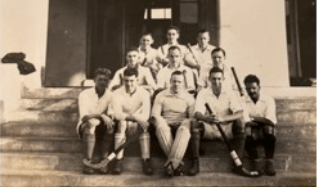
When Bob arrived in Horta, the cable had not yet become operational, so while they worked hard preparing the cable, there was plenty of down time. To keep costs low, there were a number of young, single men employed by the telegraph companies in the Azores, supplemented by locals and senior British married staff. In their off time, having a small group of young men in their late teens/early twenties to socialize with, in a new more temperate climate, made for a nice adjustment. Sporting events between companies became a popular pastime for the young men —not to mention meeting eligible young women in town.
While my grandfather hadn’t planned to stay in Horta so long —he often said, “I signed up for 3 years and stayed for 28.”—meeting my grandmother, Blanche O’Shea (another Telegraph expat discussed in a prior post and mentioned above), getting married, having children and enjoying the climate and lifestyle meant there wasn’t an urgency to return to North America. An entire book could be written on their life in the Azores and the world events they experienced. Sadly attention spans and busy schedules means those stories will have to wait.
SOS to your Heart’s Content
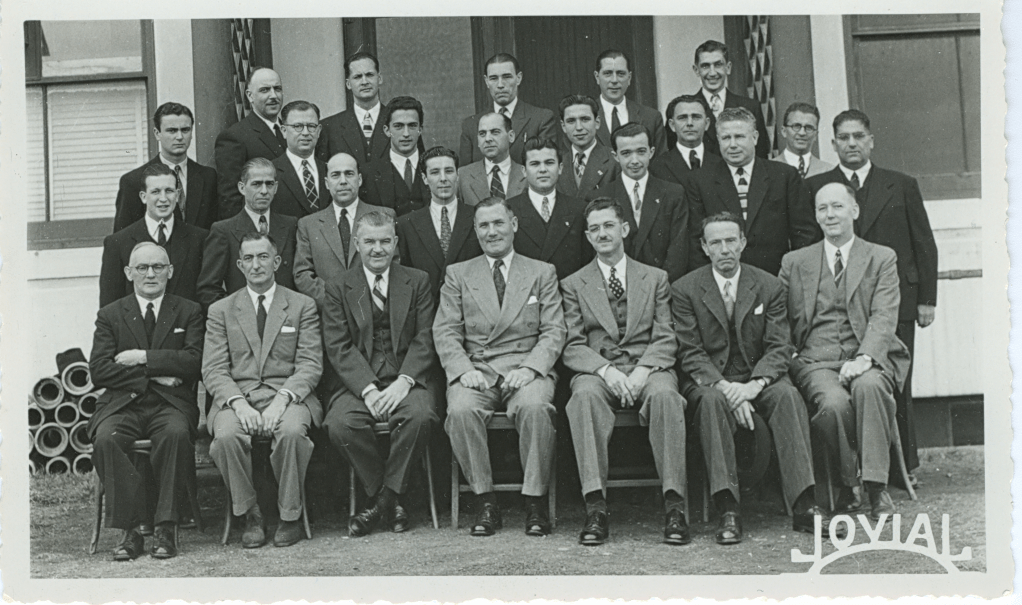
In 1952, in order to have the family together again —my uncle Terry had been away at boarding school in NYC for years— and so the younger daughters, including my mother, could receive more traditional education, my grandfather received a transfer to the telegraph station in Heart’s Content, Newfoundland. The current Superintendent was retiring and the plan was for my grandfather to take over his position at the station. As with most corporate moves like that, everything didn’t go 100% as planned but in the end he took on the role. However, with the evolution and pervasiveness of telephone technology in the 1960s, the telegraph system had run its course. In 1965, my grandfather was responsible for shutting down the Heart’s Content telegraph station and finding the current employees opportunities elsewhere in the world. The plan was for him to take on a role back in New York City once the job was complete in Heart’s Content. My grandmother was especially hoping for that since she had two sisters living in the US already. However, with the stress of closing the station, some underlying health issues and two daughters still living in Newfoundland —with potential grandkids to come— he ultimately made the decision to retire from Western Union in 1966 and stay on in Newfoundland. Ending a 100 year family run in the telegraph business. I am forever grateful for that decision. 😉
Post Script – Telegraphy in the DNA

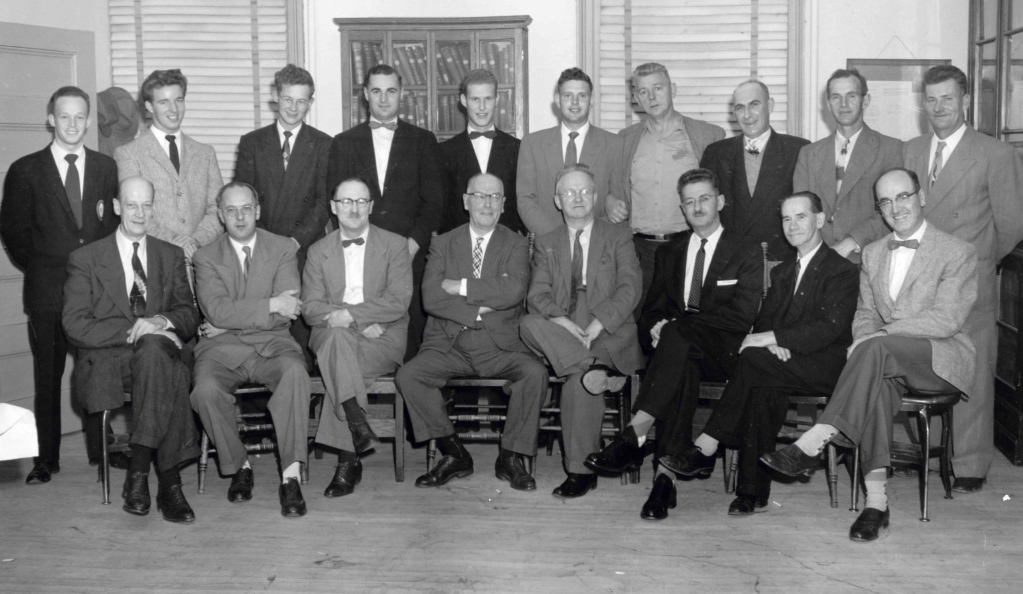
With our family history in the telegraph industry, my grandfather was determined to see the Heart’s Content station turned into a museum. Shortly after his retirement, he joined the Heart’s Content Cable Museum Commission to begin the process of preserving the building and its equipment and the creation of the museum. They were ultimately successful in their pursuit and the Heart’s Content Cable Museum, one of the best-preserved cable stations in the world, became the first Provincial Historic Site in Newfoundland in 1974, on the 25th anniversary of Newfoundland’s Confederation with Canada. There is now a multi-panel display in the museum covering my grandfather’s career in the telegraph industry.
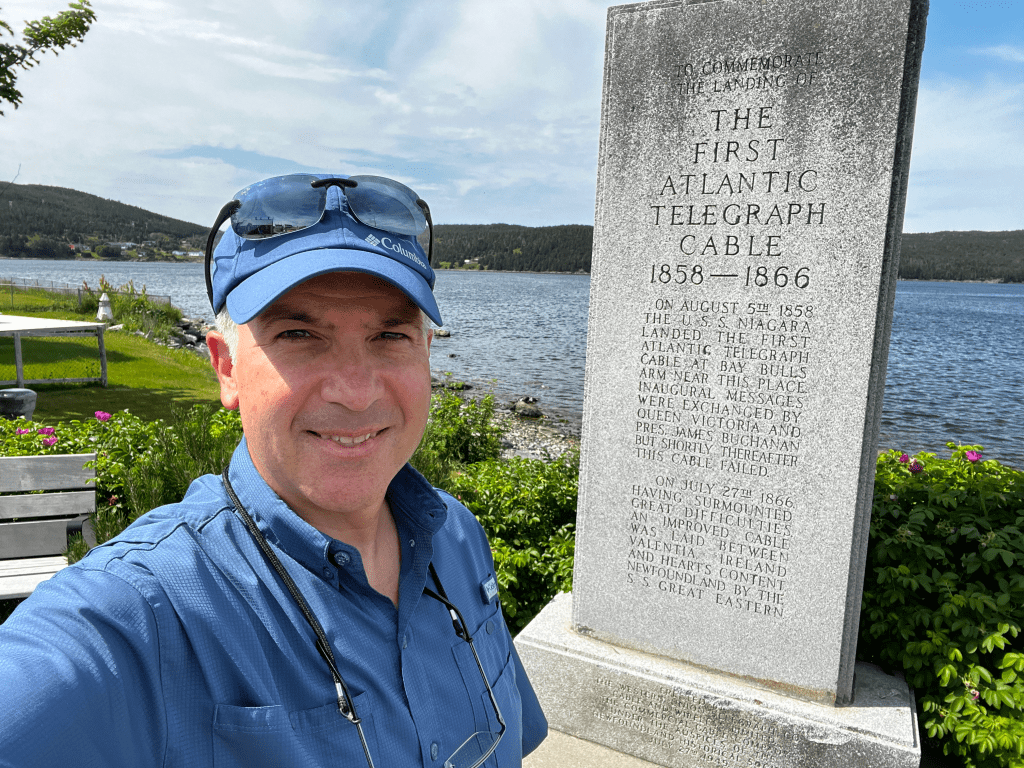
I have been a passionate enthusiast, collector and researcher on everything telegraphy for many years. I have a large collection of telegraph history books. I have visited Valentia several times. I have been to the Azores, as mentioned in a prior post, and I have spent time in Heart’s Content at the wonderful museum there. When Valentia was celebrating the 150th Anniversary of the 1866

Transatlantic Cable in 2016, I knew I had to go. It was an excellent experience and I got to meet Irish family as well as ancestors of Cyrus Field (originator of the Transatlantic Cable), James Graves (Superintendent of the Valentia Station from 1866 til 1909) and the Knight of Kerry (the hereditary land-owner of Valentia who promoted the island as the landing location for the 1866 telegraph cable). And at an innocent visit to the local museum, I somehow managed to be included in a newspaper story.
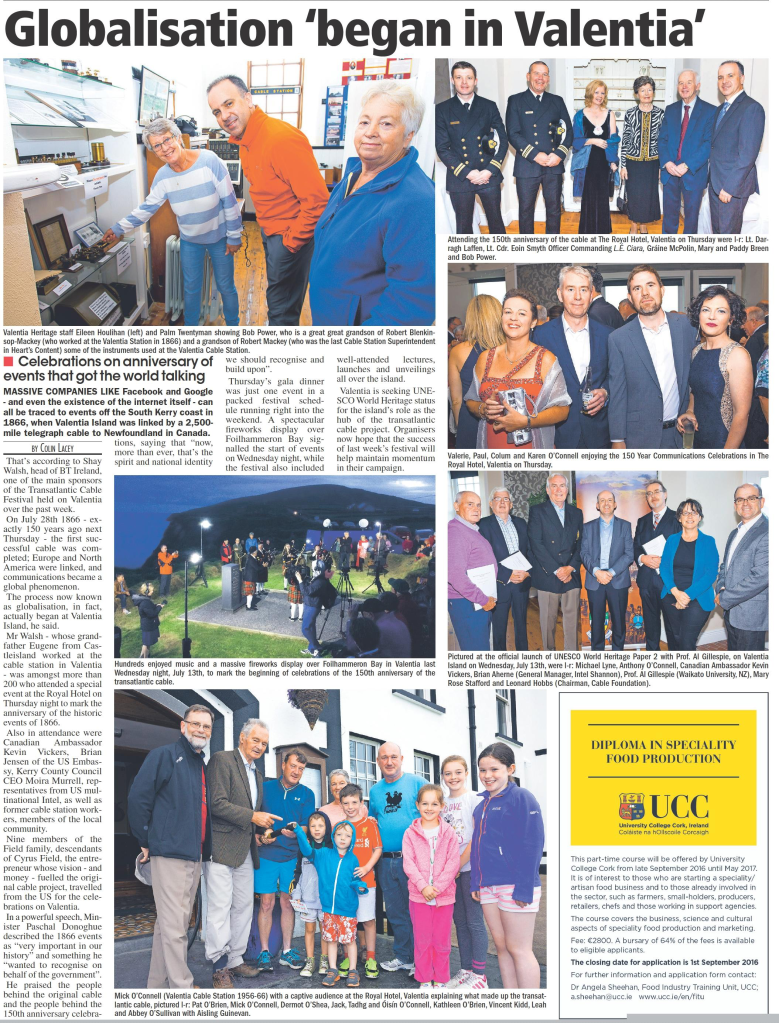
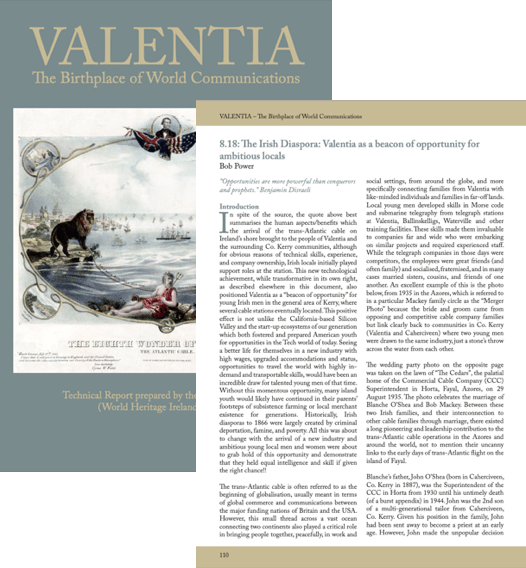
The last honour, was to be included in an Irish group’s efforts to get the Valentia Telegraph Station on the UNESCO World Heritage List. As part of their application document I wrote a piece about the Irish Diaspora using my cable heritage as an example. The group was ultimately successful and now a joint Valentia-Heart’s Content bid is in front of UNESCO for approval. Fingers crossed!
Photos and article © 2024 Bob Power unless otherwise attributed.
 Polynose Genealogy
A Family ofDots and Dashes, very appropriate for this blog. Lol. Your Mom has some very interesting relatives. Love reading about them
LikeLike
Thanks for your comments Betty. Mom has some very interesting ancestors for sure. I’ve only just scratched the surface as you’ll see this week.
Thanks for reading the blog.
LikeLike